
Orthokeratology (Ortho-K)
What is Orthokeratology (Ortho-K)?
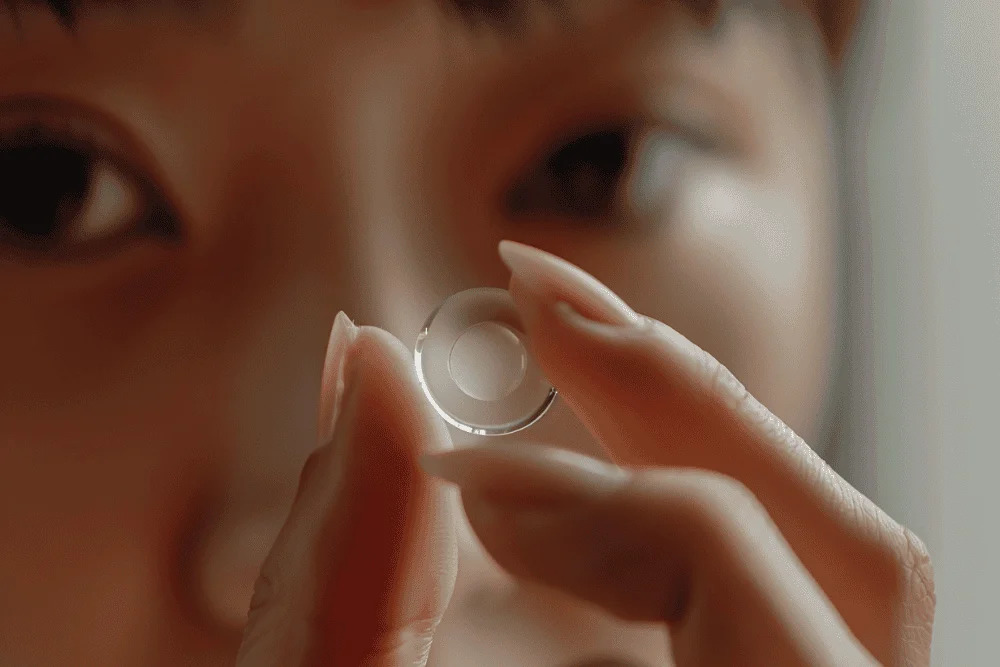
Orthokeratology, commonly known as Ortho-K, is a non-surgical and reversible vision-correction method. It uses specially designed rigid gas-permeable contact lenses worn while sleeping to gently and temporarily reshape the cornea—the clear front surface of the eye. After removing the lenses in the morning, users can enjoy clearer vision throughout the day without wearing glasses or daytime contact lenses. Ortho-K is commonly used to correct short-sightedness (myopia) and may also help slow its progression in children.
How it Works?
The lenses used in Ortho-K are Gas Permeable (GP). They are highly oxygen-breathable and have a unique “reverse geometry” design.
- Overnight Reshaping: While you sleep, the lenses apply gentle fluid forces to the tear film, which subtly flattens the center of the cornea.
- Clear Daytime Vision: When you wake up and remove the lenses, the cornea retains its new shape for the rest of the day, allowing light to focus correctly on the retina.
- Temporary Effect: Unlike LASIK, the effect is temporary. If you stop wearing the lenses, the cornea will return to its original shape within a few days.
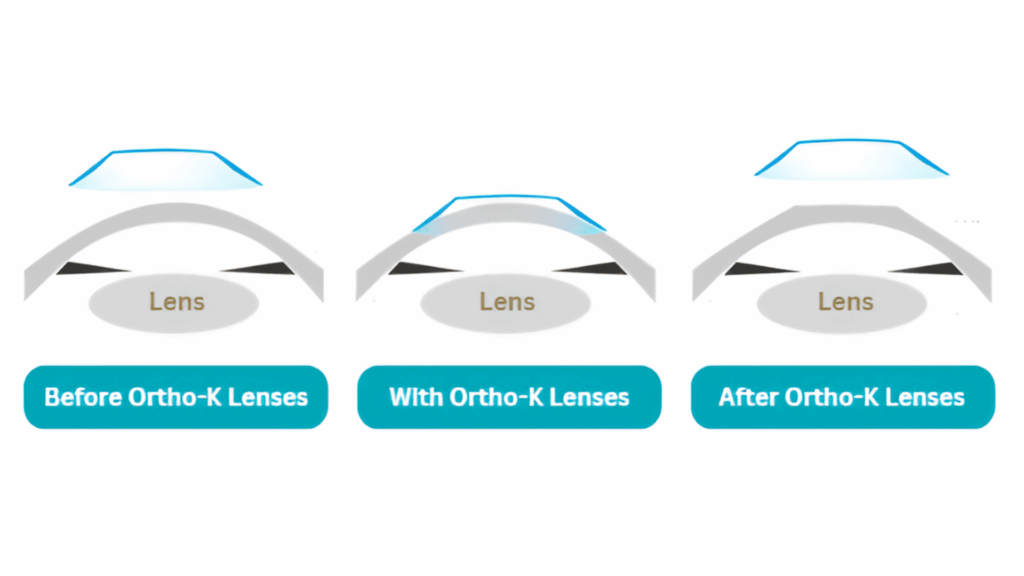
The lenses used in Ortho-K are Gas Permeable (GP). They are highly oxygen-breathable and have a unique “reverse geometry” design.
- Overnight Reshaping: While you sleep, the lenses apply gentle fluid forces to the tear film, which subtly flattens the center of the cornea.
- Clear Daytime Vision: When you wake up and remove the lenses, the cornea retains its new shape for the rest of the day, allowing light to focus correctly on the retina.
- Temporary Effect: Unlike LASIK, the effect is temporary. If you stop wearing the lenses, the cornea will return to its original shape within a few days.
Who will Benefit?
- Correction of Myopia (Nearsightedness): This is the most common use. It can also sometimes correct minor amounts of astigmatism or hyperopia (farsightedness).
- Myopia Control in Children: One of the most significant benefits of Ortho-K is its ability to slow down the progression of nearsightedness in children and teenagers, potentially preventing severe vision issues later in life.
- Lifestyle Convenience: It is popular for athletes, swimmers, or people who work in dusty environments where daytime contact lenses might be problematic.
| Feature | Ortho-K | Laser vision correction | Standard daily soft lenses |
|---|---|---|---|
| How it works | Overnight corneal reshaping | Surgically reshapes the cornea | Corrects vision while worn |
| Suitable age | Based on individual assessment | Usually adults with stable prescription | Depends on lens type and suitability |
| Daytime glasses/lenses | Often not required | Usually reduced or not required | Lenses must be worn during the day |
| Effect | Temporary and reversible | Long-lasting, but eyes can still change | Only while the lenses are worn |
| Myopia-management role | May slow progression in suitable children | Does not control childhood eye growth | Standard lenses do not; specialised designs may |
| Important considerations | Hygiene, overnight-lens risks and follow-up | Surgical risks and eligibility | Hygiene, comfort and daily wear |
FREQUENTLY ASKED QUESTIONS
Yes, Ortho-K is a safe, FDA-approved method for correcting vision and slowing myopia in children. While any contact lens carries a small risk of infection, studies show that with proper hygiene and regular clinical follow-ups, the risk is minimal. It is an excellent non-surgical alternative for active children.
While Ortho-K cannot permanently stop all eye growth, it is one of the most effective methods for slowing myopia progression. By reshaping the cornea overnight, it creates a “stop signal” in the eye that discourages the eyeball from lengthening too quickly, helping to prevent high prescriptions and future eye health complications.
No, Ortho-K is a painless, non-surgical procedure. While new wearers may feel a slight “lens awareness” (similar to a stray eyelash) during the first few nights, this sensation quickly fades. Because the lenses are worn only while sleeping, they are often more comfortable for people with dry or sensitive eyes compared to traditional daytime contact lenses.
Most eye specialists recommend starting Ortho-K between the ages of 6 and 8, depending on the child’s maturity and ability to handle the lenses. Since this is the period when myopia progresses most rapidly, early intervention provides the greatest benefit for long-term eye health and myopia control.
The vision correction from Ortho-K typically lasts for 16 to 18 hours of waking time. For the best results, the lenses must be worn every night for at least 6 to 8 hours of sleep. If you skip a night, your vision may begin to return to its original prescription by the following evening.