
Laser In-Situ Keratomileusis, also known as LASIK, is a flap-based laser vision correction procedure. With traditional LASIK, a controlled blade (microkeratome) is used to create the flap (a kind of hinged piece of corneal tissue). The flap is then folded back to reveal the underlying corneal stroma tissue, which is reshaped using an excimer laser to rectify the refractive error.

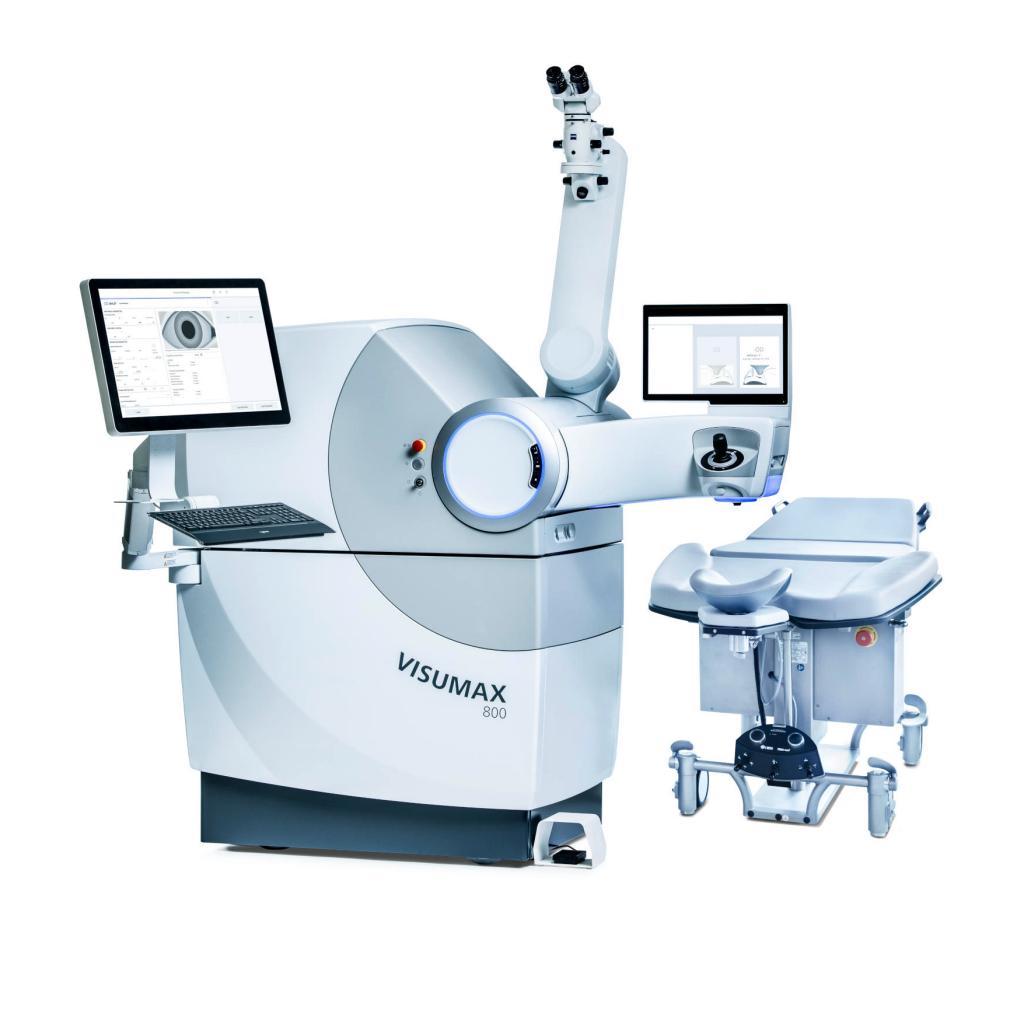
FemtoLASIK is an advanced laser technology that corrects refractive defects without using a blade. The advanced blade-free refractive treatment performs better than microkeratome or blade LASIK. The flap is created with a fast and precise femtosecond (ultrashort pulse) laser.

Numbing eyedrops are applied to the eye. A femtosecond laser is used to make a thin and accurate flap in the cornea. This laser operates at extremely high speeds, providing greater control and accuracy than the mechanical microkeratome blade used in traditional LASIK.

After creating the flap, the patient stays in place as the laser arm is positioned for surgery. The doctor then lifts the hinged flap of the eye.

The excimer laser removes the corneal tissue point by point within a few seconds, thereby correcting the visual defect.

Afterward, the flap is returned to its original position, protecting the eye much like a natural bandage.




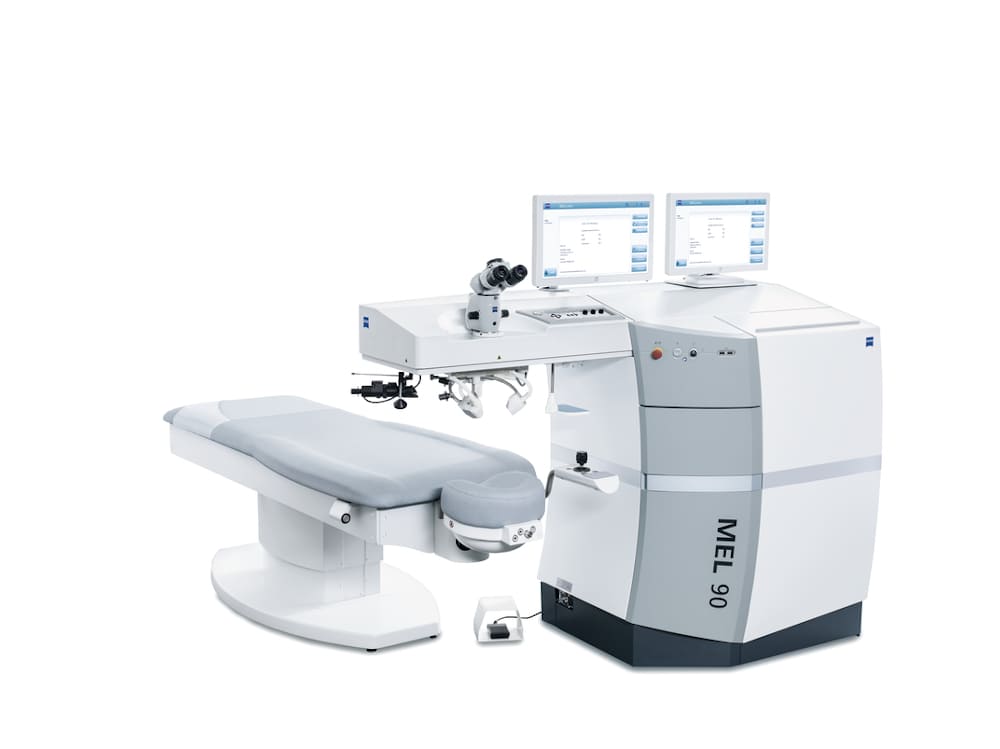
During FemtoLASIK, an excimer laser (ZEISS MEL 90) is used to perform stromal ablation which corrects the refractive error.
If you are considering FemtoLASIK, you should consult a Refractive Surgeon—an ophthalmologist with specialised training in laser vision correction. During your assessment, your surgeon will determine whether FemtoLASIK, SMILE® pro 2.0, TransPRK, PRESBYOND 2.0, or Implantable Collamer Lens (ICL) surgery is the most appropriate option based on your prescription, corneal thickness, eye health, lifestyle, and visual needs.
FemtoLASIK is performed by OasisEye Specialists’ refractive surgeons following a detailed suitability assessment. Depending on your location and eye condition, you may be assessed and treated by Dr Khaw Hoon Hoon, Dr Jimmy Lim Ing Hong, Dr Wilson Wong Jun Jie, Dr Rawindar Singh Ranu A/L Harchand Singh, or Dr Norazah Abdul Rahman.
Yes. The reshaping of the cornea is permanent. However, natural age-related vision changes, such as presbyopia or cataracts, can still occur later in life.
No. Anaesthetic eye drops are used before the procedure. Most patients experience mild pressure during treatment and temporary irritation or watery eyes afterwards.
The laser treatment usually takes only a few minutes per eye, while the entire procedure generally takes around 10–15 minutes for both eyes.
Many patients notice significant visual improvement within 24 hours and return to office work after two to three days, although complete healing continues over several weeks.
Yes. FemtoLASIK can correct suitable levels of myopia, astigmatism, and selected cases of hyperopia following a comprehensive eye assessment.
Suitability should always be determined during a comprehensive refractive assessment.
Yes. FemtoLASIK is typically performed on both eyes during the same visit if clinically appropriate.
Light daily activities can usually resume within a few days, while swimming, contact sports, and strenuous exercise should only be resumed after your ophthalmologist confirms it is safe.
Many patients achieve excellent distance vision without glasses, but some may still require reading glasses later in life due to presbyopia.
Neither procedure is universally better. The most suitable treatment depends on your prescription, corneal thickness, eye health, occupation, lifestyle, and visual goals. Your refractive surgeon will recommend the best option after a detailed assessment.