What is TransPRK?

Transepithelial PhotoRefractive Keratectomy (TransPRK) is the most recent technique of laser refractive surgery. TransPRK may be known to some as No Touch LASIK, No Touch Laser Epi-LASIK, SmartSurface PRK or Transepithelial Surface Ablation (TESA).

The Procedures

K1

Numbing eye drops

TransPRK surgery is painless - numbing eye drops are applied before the procedure.

K2

Removal of surface cells

The laser removes the outmost layer of cells. No surgical equipment or suction rings touch the eyes.

K3

Reshaping of cornea

The laser then goes on to seamlessly reshape the corneal curvature - vision is now corrected!

K4

Bandage contact lens

A bandage contact lens is placed over the eye to protect it during recovery; it will be removed after 5 days.

Advantages of TransPRK

Trans PRK

Touch-free procedure

Trans PRK

No risk of flap-related complication

Trans PRK

Quick surgery

Trans PRK

No blades or incisions

Trans PRK

Tissue-saving procedure

Our Equipment

Trans PRK

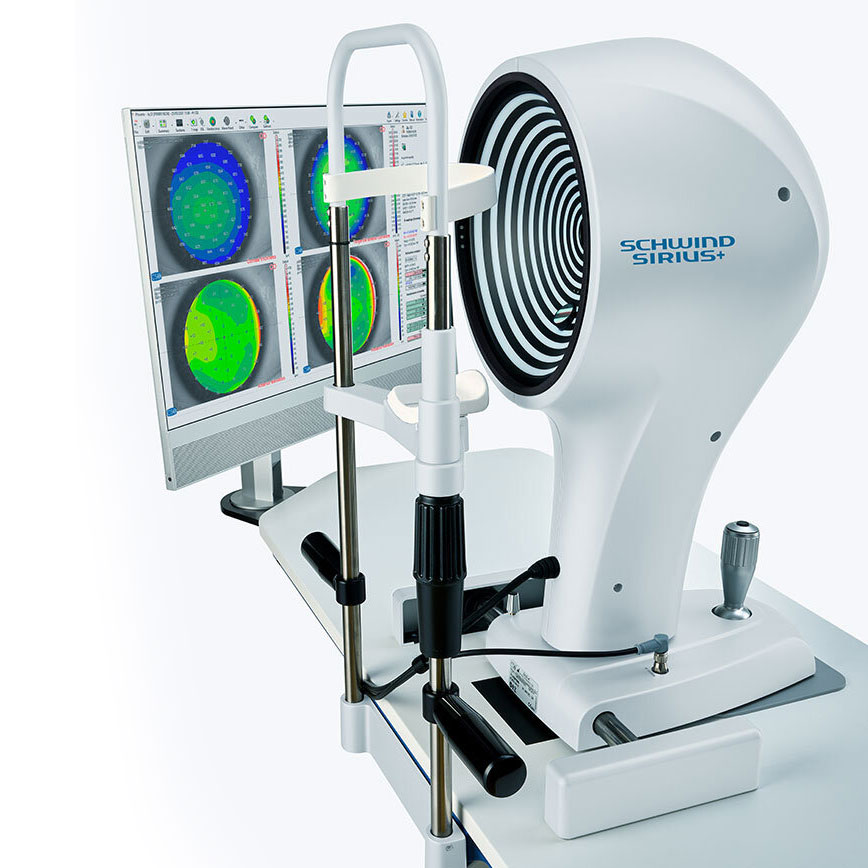
Corneal Topography Machine

A corneal topography machine is used to accurately scan the cornea curvature and thickness to detect corneal disorders and to determine if your eyes are suitable for TransPRK.
Trans PRK

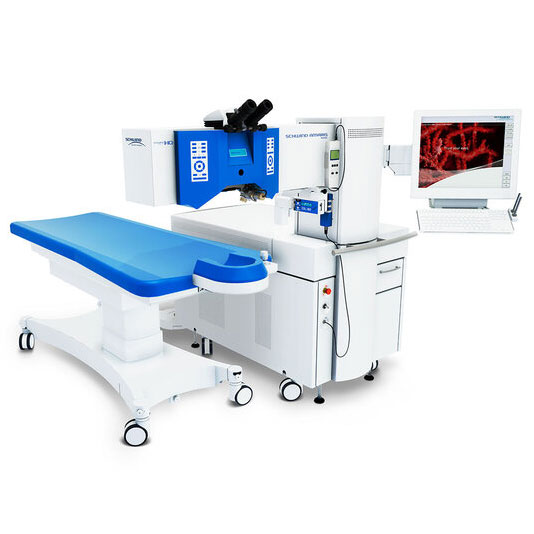
Excimer Laser

An excimer laser is used for corneal stroma ablation of the to treat the refraction or ‘power’. Both the SCHWIND AMARIS and Bausch & Lomb TENEO laser machine can perform the no-touch TransPRK in a single step.

FREQUENTLY ASKED QUESTIONS

Transepithelial PhotoRefractive Keratectomy (TransPRK) is an advanced, all-laser, “no-touch” vision correction surgery available at OasisEye Specialists in Malaysia. Unlike traditional LASIK, TransPRK requires no blades, surgical cuts, or corneal flaps. Instead, a highly precise excimer laser removes the outermost surface cells (epithelium) and reshapes the cornea in a single, seamless step to correct refractive errors like nearsightedness, farsightedness, and astigmatism.

The biggest benefit of TransPRK is that it is a 100% touch-free, blade-free procedure, which completely eliminates the risk of flap-related surgical complications. This makes TransPRK a tissue-saving procedure and an excellent choice for individuals with thinner corneas, dry eyes, or those with active lifestyles (such as athletes or military personnel) where a flap displacement could be a safety risk.

The TransPRK surgery itself is entirely painless. Before the procedure begins, our ophthalmologists apply numbing eye drops to ensure your comfort. The laser treatment is exceptionally quick, often taking less than a minute per eye. Because no suction rings or manual instruments touch the eye, patients experience less pressure during surgery compared to other refractive methods.

Because the laser gently removes the top layer of surface cells, the recovery timeline for TransPRK is slightly longer than FemtoLASIK or SMILE pro 2.0. A protective bandage contact lens is placed over the eye immediately after surgery to safeguard the surface while the cells naturally regenerate. This bandage lens is safely removed by our eye care specialists after 5 days, with functional vision typically stabilizing over the following few weeks.

To determine suitability, OasisEye Specialists conducts a comprehensive pre-laser eye assessment using advanced corneal topography machines to map your corneal curvature and thickness. Generally, good candidates are over 21 years old, have had a stable vision prescription for at least one year, and do not have active eye diseases. To prepare for this assessment, you must stop wearing soft contact lenses for at least 5 days (or 2 weeks for rigid gas permeable lenses).

In Malaysia, TransPRK, LASIK, and SMILE pro 2.0 are categorized as elective or cosmetic vision correction procedures. Therefore, standard medical insurance policies typically do not cover the cost of the surgery. OasisEye Specialists recommends checking directly with your specific insurance provider or corporate benefit package to see if elective refractive surgeries are included in your policy.

The primary difference lies in how the inner cornea is accessed. FemtoLASIK creates a hinged flap, and SMILE pro 2.0 creates a tiny internal lens (lenticule) through a small incision. TransPRK is unique because it is entirely surface-based—the laser works directly on the outside of the eye without making any structural cuts. While FemtoLASIK and SMILE offer faster visual recovery, TransPRK provides a safer alternative for individuals with thin corneas or high physical impact lifestyles because it eliminates all flap risks.

Yes, TransPRK is highly effective at treating mild to high degrees of myopia (short-sightedness) and astigmatism. OasisEye Specialists utilizes advanced laser platforms like the SCHWIND AMARIS and Bausch & Lomb TENEO. These excimer lasers perform customized ablation profiles based on your individual eye maps. However, your precise eligibility depends on your corneal thickness and structural stability, which are verified during our comprehensive 3D corneal topography scan.

In OasisEye Specialists, TransPRK ranges from RM3600 to RM4500 for both eyes, excluding the mandatory 6% SST for international patients.

Read Our Brochure

Any questions? We got you.

Curious about life without glasses? Discover how eye laser treatment can change your life. Click here to read more FAQs about eye laser treatment.

Yes, laser vision correction such as TransPRK, LASIK and SMILE pro 2.0 considered safe and effective for most people. These procedures have been widely performed for over two decades, boasting a high success rate, with the majority of patients achieving 20/20 vision or better. Serious complications are rare and most side effects like dry eyes are usually temporary with quick recovery times.

Medical insurance cannot be used to claim for laser vision correction as the procedure falls under the category of an elective or cosmetic procedure.

Yes, you should stop wearing your contact lenses before the assessment.

  • At least 5 days (soft contact lens)
  • At least 2 weeks for rigid gas permeable (RGP)
  • At least 4 weeks for Orthokeratology (Ortho-K) lenses