OasisEye Specialists

Central Serous Chorioretinopathy

What is Central Serous Chorioretinopathy?

Central Serous Chorioretinopathy (CSCR/CSR) is an eye condition where fluid leaks from a layer of blood vessels under the retina (the choroid) and accumulates beneath the retina or the retinal pigment epithelium (RPE). This buildup creates a small detachment in the retina, leading to blurry or distorted vision.

While CSCR typically affects only one eye at a time, in some cases, both eyes may be involved simultaneously.

Symptoms

How can you tell if you might have CSCR? Common symptoms include

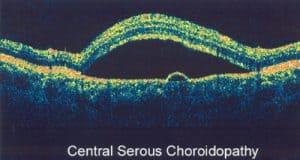
Blurry or distorted
central vision

A dark or gray spot in central vision

Straight lines
appearing wavy

Colors appearing duller than usual

Increased sensitivity
to light

Who can be affected?

Men
(More common in men
aged 20 - 50)

People under stress (Linked to high stress levels)

Steroid users (Including oral, nasal and
topical steroids)

People with sleep issues (Poor sleep or irregular sleep patterns)

Individuals with high blood pressure
How is CSCR diagnosed?

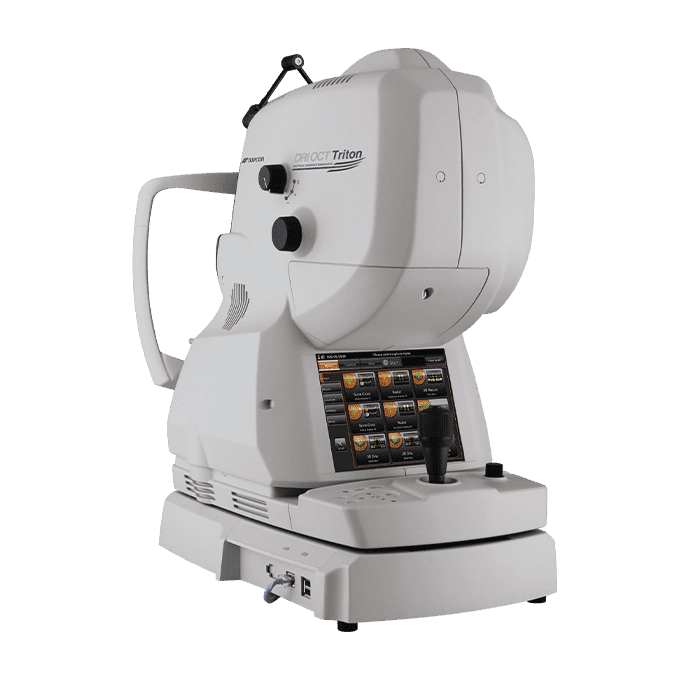
  • OCT Scan (Optical Coherence Tomography)

    – to check fluid under the retina

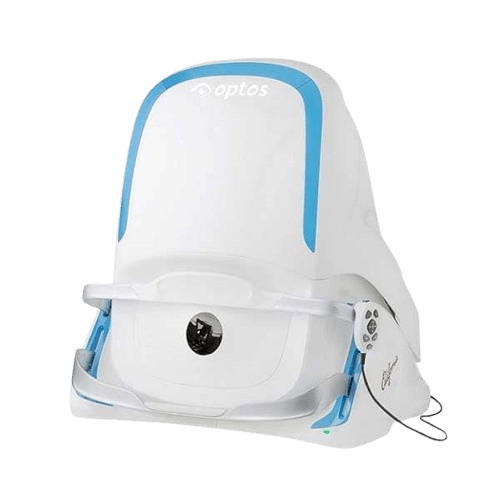
  • Fluorescein Angiography

    – to assess leakage from blood vessels

  • Indocyanine Green Angiography

    – for detailed choroidal imaging

Treatment options

Observation

Many cases heal naturally within 2 - 3 months

Medication

Some patients may benefit from oral medication to speed up recovery

Laser / Photodynamic Therapy (PDT) / Anti-VEGF Therapy

Used for chronic or severe cases to reduce fluid leakage

How to prevent CSCR?

Manage stress

Try relaxation techniques like meditation or exercise regularly

Reduce or
avoid steroid

Only take steroids when necessary

Improve sleep quality

Maintain a regular sleep schedule

Control blood pressure

Monitor and manage hypertension

Acute vs. Chronic CSCR

Feature Acute CSCR Chronic CSCR
Duration Resolves within 3–6 months Lasts longer than 6 months
Vision Recovery Usually returns to normal Risk of permanent vision loss
Treatment Observation & Stress Management Laser (PDT) or Oral Medications
Retinal Impact Minimal RPE damage Significant thinning or scarring

FREQUENTLY ASKED QUESTIONS

Yes, stress is a primary risk factor for CSCR. High levels of cortisol (the stress hormone) can increase the permeability of the blood vessels in the choroid, leading to fluid leakage under the retina. Managing psychological stress and avoiding steroid medications are key steps in treating and preventing CSR recurrences.

Most cases of Acute CSCR resolve spontaneously within three to four months without medical intervention. However, if the fluid does not drain or if the condition becomes chronic, specialists may recommend Photodynamic Therapy (PDT) or specialized laser treatments to prevent permanent damage to the retinal cells.

Patients with a history of CSCR should be extremely cautious with corticosteroids, including those found in nasal sprays, skin creams, and inhalers. Even topical or inhaled steroids can be absorbed systemically, potentially triggering a new episode or worsening current fluid leakage in the retina. Always inform your ophthalmologist of any steroid use.

Generally, light to moderate exercise is safe. However, because CSCR is strongly linked to high cortisol levels and stress, it is recommended to avoid extremely high-intensity workouts that significantly spike heart rate and physical stress during the acute phase. Focus on stress-reducing activities like yoga or walking to help the fluid drain naturally.

ou should book an urgent retinal assessment if you notice a sudden gray or dark spot in your central vision, if straight lines appear distorted, or if colors suddenly look washed out in one eye. While the condition often resolves on its own, a professional exam is necessary to rule out more aggressive conditions like Wet AMD or inflammatory eye diseases.

Specialists at OasisEye use Multi-Modal Imaging for definitive diagnosis. This includes Optical Coherence Tomography (OCT) to measure the exact height of the subretinal fluid and Indocyanine Green Angiography (ICGA). ICGA is particularly important as it allows the surgeon to see the hyperpermeability (leakage) in the deeper choroidal vessels that standard tests might miss.