
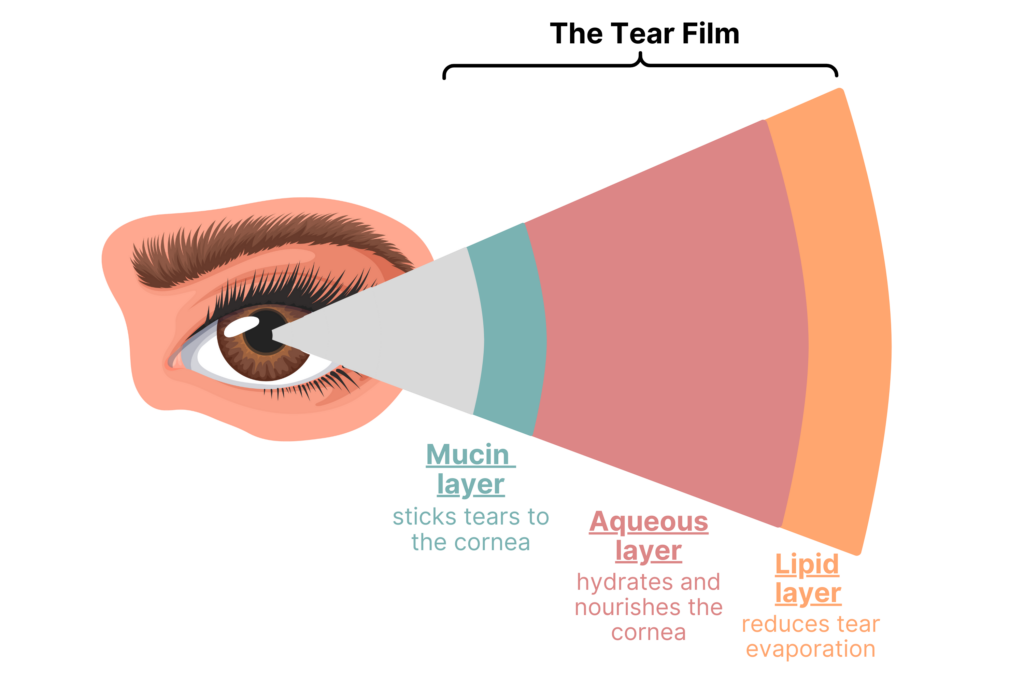
Dry eye is a common and often chronic condition that occurs when the eyes are unable to maintain a healthy tear film—either due to insufficient tear production or excessive tear evaporation. A stable tear film is essential not only for keeping the eyes lubricated, but also for maintaining clear vision and protecting the surface of the eye from irritation and infection.
There are two main types of dry eye. The first is aqueous-deficient dry eye, where the lacrimal glands do not produce enough tears. The second is evaporative dry eye, which is more common and often linked to dysfunction of the meibomian glands in the eyelids. These glands are responsible for producing the oily layer of the tear film, which prevents tears from evaporating too quickly. When this layer is compromised—often due to eyelid inflammation (blepharitis)—the tears become unstable and evaporate faster, leading to dryness.

All of these can lead to reduced vision.
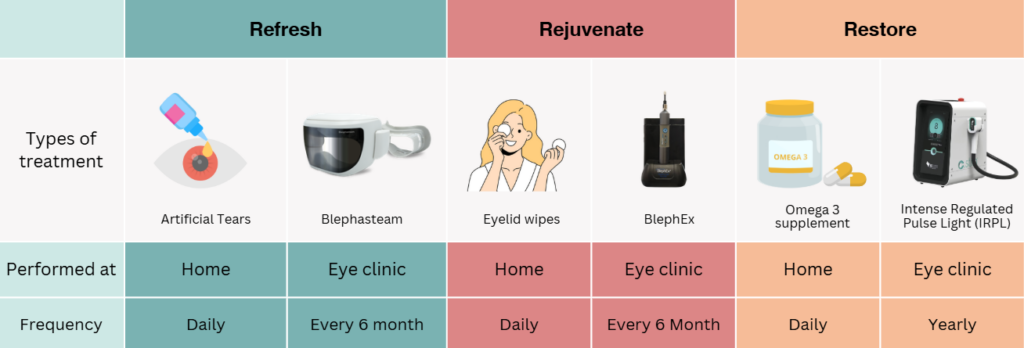
OasisEye Specialists provides dry eye assessment and treatment at selected eye centres across Malaysia, including Kuala Lumpur, Cheras, Shah Alam, Seremban, Kuching, Johor Bahru and Penang.
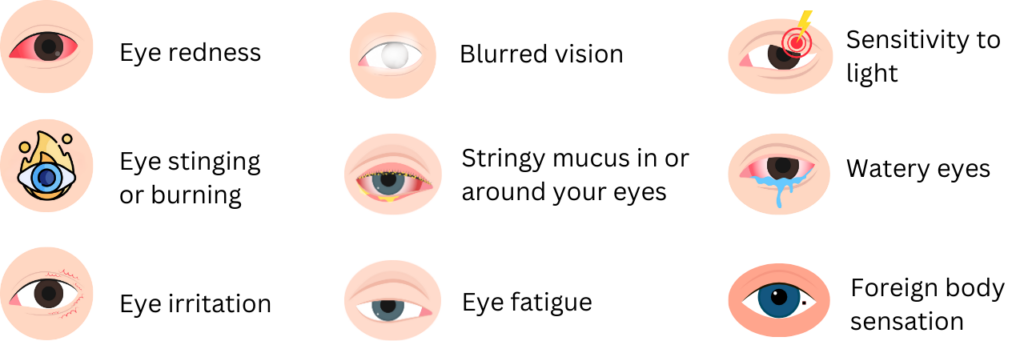
Dry eye disease is a condition where the eyes cannot maintain a healthy tear film, causing insufficient lubrication or excessive tear evaporation. This may lead to symptoms such as dryness, irritation, redness, burning sensation, watery eyes, and blurred vision.
Common symptoms of dry eye disease include:
Yes. Prolonged screen use can contribute to dry eye symptoms because people tend to blink less frequently when concentrating on digital devices. Reduced blinking can affect tear distribution and increase tear evaporation.
An ophthalmologist diagnoses dry eye by evaluating tear quantity, tear quality, eyelid health, and the condition of the eye surface. Tests may include tear film assessment, ocular surface examination, dye staining, and evaluation of the meibomian glands.
Dry eye is often a chronic condition that can be managed effectively. While some causes cannot be completely eliminated, appropriate diagnosis and personalised treatment can significantly reduce symptoms and improve eye comfort.
You should consult an ophthalmologist if dry eye symptoms persist despite using artificial tears, affect daily activities, cause persistent blurred vision, or are associated with eye pain, redness, or light sensitivity.