OasisEye Specialists

Intense Pulsed Light (IPL)

What is IPL?

What is IRPL?Eye doctors usually prescribe artificial tears, anti-inflammatory eye drops to patients to relieve and reduce inflammation along eyelid margins and ocular surface. Home remedies include lubricating eye drops, warm compress on eyelid margins and proper eyelid hygiene. However, most patients are not able to perform this effectively on their own and recurrence can happen.

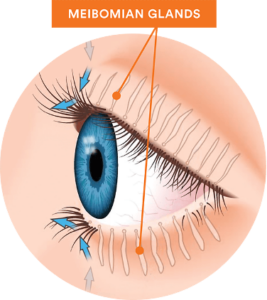
Intense Pulsed Light (IPL) therapy is one of the latest treatments for dry eyes. It’s particularly effective in treating Meibomian Gland Dysfunction (MGD), the most common cause of chronic dry eyes.

IPL targets all aspects of MGD by:
  • Improving meibomian gland function
  • Unclogging meibomian glands
  • Reducing inflammation of the meibomian glands
  • Improving tear film quality and stability by restoring the lipid (oil) layer of the tear film


Risk factor & Causes

The most common cause is growing older. Other common causes include:

  • Diabetes
  • Trauma (any significant impact to the eye or head)
  • Certain medication (such as steroids)
  • Eye surgery for other conditions
  • Other possible causes include: UV exposure, smoking & a lack of vitamins

How Does IPL Work?

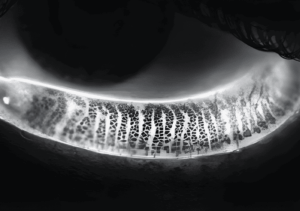
It treats dry eyes by improving the function of the meibomian (oil) glands of the eyelids. Meibomian glands that are not functioning properly can eventually lead to gland dropout (loss) or atrophy, which leads to long-term and severe dry eye symptoms. When meibomian glands don’t secrete enough oil onto the eye, tears evaporate too quickly, leading to a cycle of inflammation.

This leads to dry eye symptoms such as burning sensation, stinging, irritation, tearing, and redness. By restoring gland function, IPL can make sure your eyes have the proper hydration.

IPL produces perfectly calibrated light pulses that target the meibomian glands. These light pulses result in a neurological stimulation of the parasympathetic nerve which supplies the meibomian glands.

This neurological stimulation helps to:

  • Regenerate the meibomian glands
  • Improve the quality of meibomian gland secretions
  • Stabilize the lipid (oil) layer of the tear film 

The regulated light pulses from IPL help break the vicious cycle of inflammation, leading to a long-term improvement of dry eye symptoms. It also helps prevent further atrophy of the meibomian glands.
The 4-Session Treatment Protocol

Steps and Procedures

The treatment protocol is short and efficient, with three to four treatments depending on the severity of the condition:

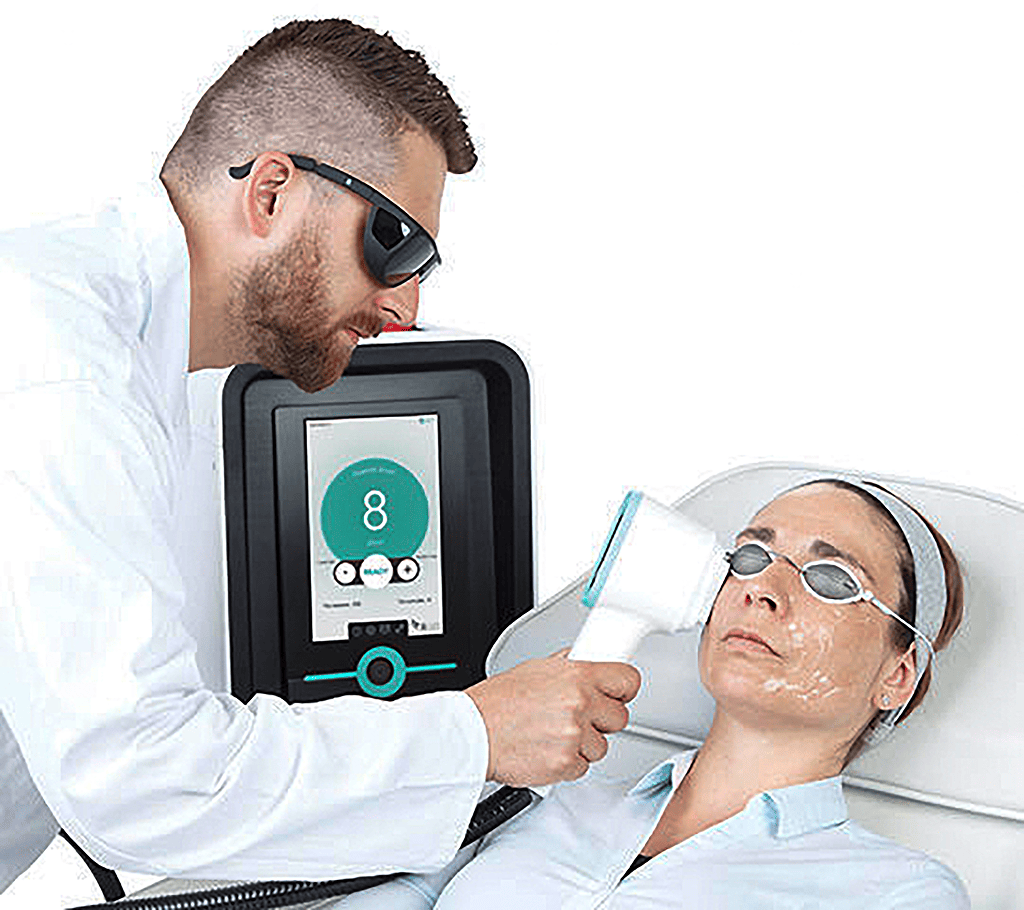
  • Session 1 (Day 1): Initial light pulse application around the cheekbones and lower eyelids to stimulate parasympathetic nerve signals and reduce active inflammation.
  • Session 2 (Day 15 / Week 2): Second session to compound nerve reactivation and begin melting hardened meibomian gland lipids.
  • Session 3 (Day 45 / Month 1.5): Third session to stabilize lipid secretion quality and establish long-term tear film protection.
  • Session 4 (Day 75 / Month 2.5 – Optional): Maintenance evaluation for severe MGD or persistent cases.

What Results Should I Expect?

Most patients feel an improvement within the first day after the treatment. The nerve stimulation from IPL helps the meibomian glands function normally within a few hours. The effects of the treatments are cumulative, which is why it is important to follow the treatment protocol.

The results can last anywhere from 6 months to 3 years, depending on your eyes. If your symptoms do start to come back, your ophthalmologist will likely recommend more sessions.

For long term results, you should have at least 3 treatment sessions and follow any recommendations from your ophthalmologist.

FREQUENTLY ASKED QUESTIONS

Intense Pulsed Light (IPL) therapy is a non-invasive treatment that uses controlled light pulses applied to the periorbital area. It stimulates parasympathetic nerves supplying the meibomian glands, reduces eyelid inflammation, and unblocks oil glands so tears don’t evaporate too quickly.

MGD is primarily caused by aging, hormonal changes, prolonged screen usage, environmental factors, or systemic conditions like diabetes and rosacea. These factors cause the oil glands along the eyelid margins to become clogged or inflamed.

No. IPL is a gentle, painless, and non-invasive procedure. Patients wear protective eyewear, and a cooling gel is applied to the skin. You may feel a mild warm sensation or slight snapping feeling during light pulses.

A standard IPL treatment course consists of 3 to 4 sessions scheduled over a 75-day protocol (Day 1, Day 15, Day 45, and Day 75). Completing the full series is essential for cumulative nerve stimulation and sustained results.

Results typically last between 6 months to 3 years, depending on individual eye health and lifestyle factors. Periodic maintenance sessions (e.g., once or twice a year) can prolong the beneficial effects.

Ideal candidates are individuals suffering from chronic evaporative dry eye, burning sensations, redness, or grittiness caused by Meibomian Gland Dysfunction (MGD) or ocular rosacea who haven’t found sufficient relief from eye drops alone.

Many patients experience noticeable relief within hours or days after their first session as nerve stimulation begins to improve gland output. However, maximum benefits build cumulatively across all 3 to 4 sessions.

While aesthetic IPL targets skin pigmentation and hair removal, ophthalmic IPL uses specific calibrated wavelengths and safety parameters specifically engineered to stimulate the periorbital parasympathetic nerves and treat eyelid meibomian glands safely.

Yes. Your ophthalmologist may recommend continuing supportive eye drops or eyelid hygiene during the initial weeks of your IPL treatment series to maintain comfort while your meibomian glands gradually recover full function.

At OasisEye Specialists, IPL procedure per session costs RM625. International patients are subjected to an additional 6% SST.