
Refractive Lens Exchange (RLE)

What is Refractive Lens Exchange (RLE)?

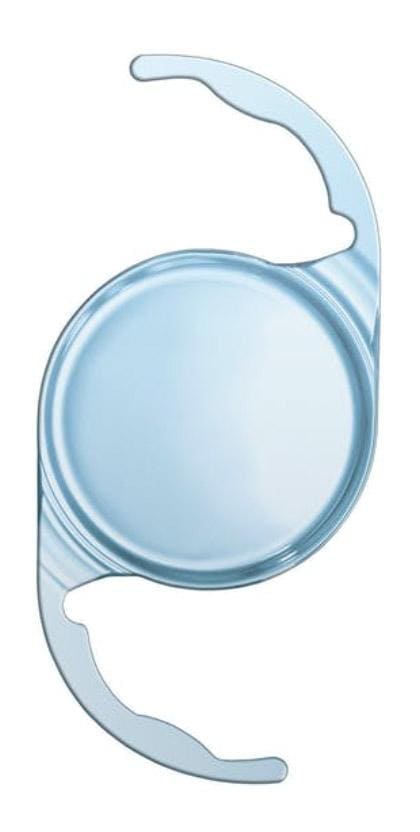
Refractive Lens Exchange is a surgical procedure in which the eye’s natural lens is removed and substituted with an artificial lens implant, known as an Intraocular Lens (IOL). The IOL is carefully selected to correct the eye’s focusing power, with the goal of reducing or eliminating the need for glasses or contact lenses in day-to-day life.

This procedure follows essentially the same surgical steps as cataract surgery. The key distinction, however, is that in refractive lens exchange, the lens being removed is still clear and transparent — unlike in cataract surgery, where the lens has already become cloudy and opaque.

It is an effective long-term solution for those seeking freedom from glasses and contact lenses, especially for individuals who are not ideal candidates for laser-based vision correction.

Types of IOLs used

Different options depending on the patient’s visual needs:

Refractive Lens Exchange (RLE)_Image

Procedure

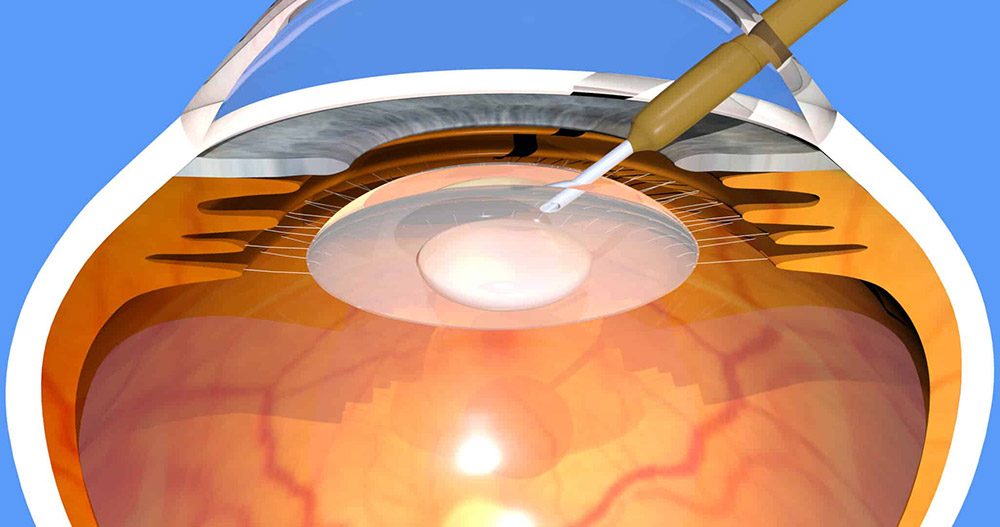
1. A small incision is made at the peripheral cornea to remove the crystalline lens using an ultrasound probe.
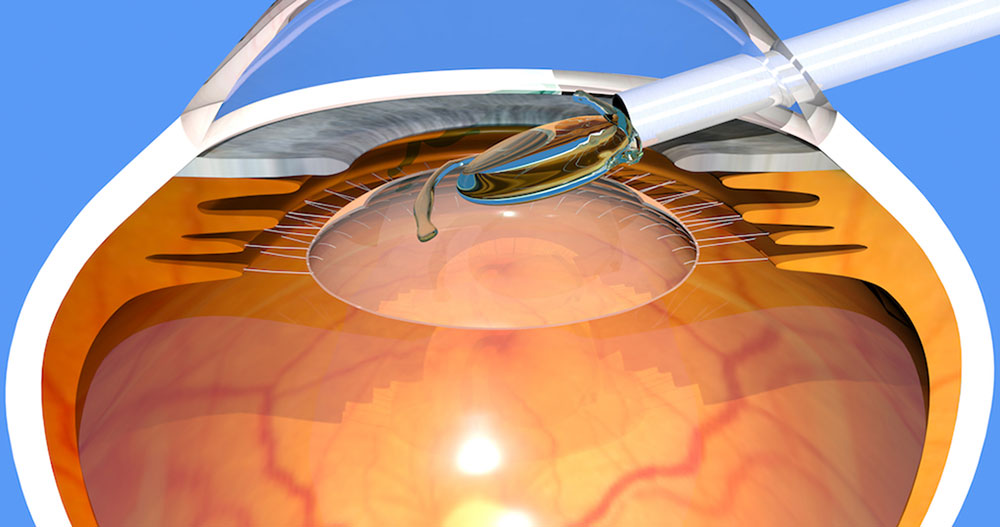
2. Multifocal IOL is inserted and positioned within the posterior chamber, inside the lens capsule.
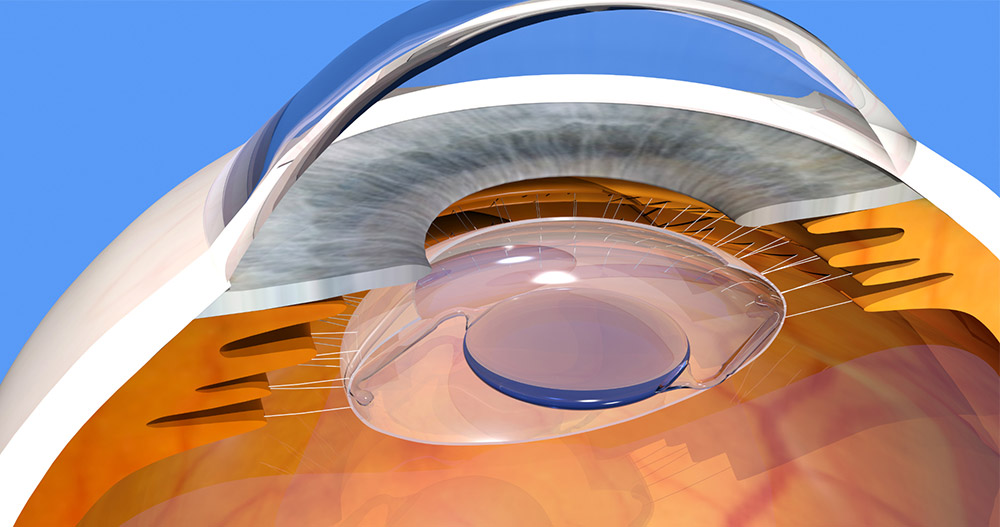
3. The incision is self-healing, and does not require stitches.

Comparison: LASIK vs. RLE vs. Cataract Surgery

Feature LASIK Refractive Lens Exchange (RLE) Cataract Surgery
Primary Goal Reshape the cornea Replace the crystalline lens Remove cloudy lens
Best Age 21 – 40 40 – 65+ Usually 60+
Treats Presbyopia Some (Presbyond 2.0/Supracor) Yes (with Premium IOLs) Yes
Permanence Potentially regress over time Permanent Permanent
Future Cataracts Still possible Impossible Already removed

Benefits

Corrects multiple vision issues such as myopia/hyperopia and presbyopia

No need to worry about cataract in the future

Long-lasting results

No need for multipla procedures to treat vision issues

Ideal Candidate

Presbyopia ("lao hua" / rabun tua) sufferers

Desire for reduced dependence on glasses

Not suitable for LASIK or ICL

Has cataract

Has no underlying eye diseases

FREQUENTLY ASKED QUESTIONS

Yes, RLE is a permanent vision correction solution. The high-tech intraocular lens (IOL) implanted during the procedure is designed to last a lifetime. Unlike the eye’s natural lens, the artificial implant does not age, meaning your vision will remain stable and you will never develop cataracts in the future.

Most RLE patients notice a significant improvement in vision within 24 to 48 hours. While you can typically return to work and light activities within a week, full visual stabilization and “brain adaptation” to premium lenses (neuroadaptation) usually take 4 to 8 weeks.

No, because RLE is an elective refractive procedure performed on a clear lens, it is generally not covered by standard health insurance. However, it is often viewed as a long-term investment that eliminates the recurring costs of glasses, contact lenses, and future cataract surgery.

For patients over 55, RLE is often superior to LASIK because it treats the internal lens rather than the cornea. While LASIK cannot stop age-related reading vision loss (presbyopia) or prevent future cataracts, RLE solves both issues permanently by replacing the aging natural lens with a stable, high-tech artificial one.

Yes, RLE can effectively correct astigmatism using specialized Toric Intraocular Lenses. During your pre-operative assessment, advanced corneal mapping is used to customize a lens that counteracts the irregular shape of your eye, providing sharp distance and near vision without the need for astigmatism-correcting glasses.