
An intraocular lens (IOL) is a lens that is implanted into our eye(s) as a part of treatment for cataract. It is implanted during cataract surgery, after the natural cloudy lens has been removed. The lens in our eye is exactly like the lens of a camera.
The lens functions to focus light onto the retina. As we age, this lens becomes rigid and cloudy, such that it starts impairing our vision. If this happens to you, you may be advised to have cataract surgery to remove the cloudy lens.
The cloudy lens is replaced with an intraocular lens (IOL).
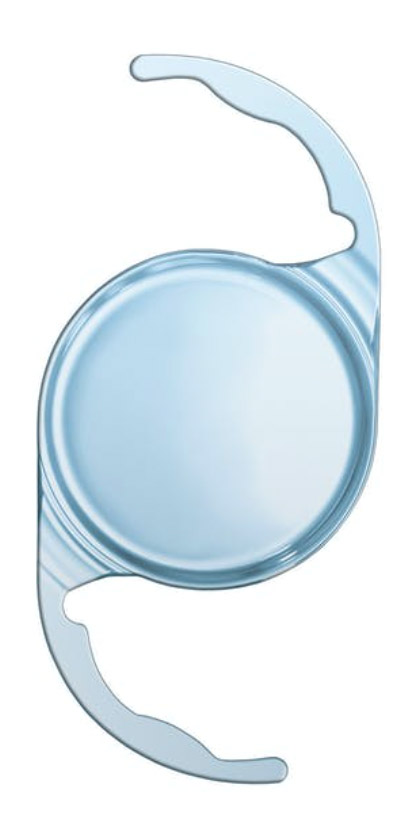
There are various types of lens implants that are used during cataract surgery. It can be classified into monofocal, multifocal or EDOF lenses.
| Lens Type | Primary Focus Distance | Need for Reading Glasses | Glare / Halos at Night | Best Suited For |
|---|---|---|---|---|
| Monofocal IOL | Distance (Far) | Yes (for reading & near tasks) | Minimal | Budget-conscious patients, excellent night vision |
| EDOF (Extended Depth of Focus) | Distance to Intermediate | Seldom (only for fine print) | Low | Computer workers, active lifestyles, driving |
| Multifocal / Trifocal IOL | Near, Intermediate & Far | Rarely (glasses-free lifestyle) | Mild to Moderate | Patients wanting complete independence from spectacles |
| Toric IOL (Customised) | Astigmatism Correction | Depends on base lens type | Low | - |
A monofocal IOL is a single-focus lens designed to provide crisp vision at a fixed distance, typically at far distance. Patients usually require reading glasses for near tasks after surgery.
Key Benefits:
An EDOF lens provides an elongated, continuous field of vision from far distances through the intermediate range (arm’s length), minimizing visual disruptions like glare.
Key Benefits:
A multifocal IOL splits light into multiple distinct focal points (near, intermediate, and distance), offering maximum independence from spectacles for healthy eyes.
Key Benefits:
A toric IOL is a custom-shaped lens that corrects pre-existing corneal astigmatism during cataract surgery, available in monofocal, EDOF, or multifocal designs.
An intraocular lens (IOL) is a medical-grade, artificial lens implanted inside the eye during cataract surgery to replace the natural, cloudy lens. It focuses light onto the retina, permanently restoring clear vision and correcting refractive errors like shortsightedness, farsightedness, and astigmatism.
Intraocular lenses are made from durable, biocompatible materials (such as acrylic or silicone) designed to last a lifetime. Once implanted, an IOL does not degrade, wear out, or require replacement under normal circumstances.
The primary difference lies in the number of focal points each lens provides:
Whether you need glasses depends on the type of IOL selected:
Yes, astigmatism is corrected using a specialized Toric IOL. Toric capability can be built into monofocal, EDOF, or multifocal lens designs to realign light rays properly on an irregularly shaped cornea.
Some patients with Multifocal IOLs experience minor visual disturbances, such as halos or glare around light sources at night. EDOF lenses were designed specifically to reduce these effects while maintaining strong intermediate vision. Most patients adapt to these optical trade-offs within a few weeks.
No, the procedure is painless. Cataract surgery and IOL implantation are performed under topical local anesthesia (numbing eye drops). Patients may feel light pressure on the eye during the 15 to 30-minute procedure, but no sharp pain.
While IOL implantation is meant to be permanent, a lens can be surgically exchanged or adjusted if severe optical intolerance occurs or if the target prescription is missed. However, exchange surgeries are rare and carry additional clinical risks.
Monofocal IOLs and EDOF IOLs offer the best performance for frequent night drivers. They preserve maximum contrast sensitivity and produce significantly fewer light halos or glare around streetlights and headlights compared to multifocal designs.
Ophthalmologists evaluate your eye using advanced biometry scans alongside an assessment of your lifestyle. Factors considered include:
At OasisEye Specialists, cataract surgery per eye under local anaesthesia typically ranges from RM5,000 to RM11,500, depending on the type of IOL chosen. International patients are subjected to an additional 6% SST.