
Don’t Let Presbyopia
Hold You Back.
Presbyopia
Presbyopia is a completely natural and unavoidable age-related change in vision that almost everyone experiences as they get older, typically becoming noticeable around the age of 40 and gradually worsening through the mid-60s. Individuals begin to have trouble focusing up close and may hold books or newspapers at arm’s length to be able to read them including text messages on their phone.
When an individual is younger, the lens of the eye is soft and flexible, allowing the tiny muscles inside the eye to easily reshape the lens to focus on close and distant objects. Presbyopia occurs when the age-related changes within the proteins in the lens causes gradual thickening and loss of flexibility of the natural lens inside the eye. As well, age-related changes also take place in the muscle fibers surrounding the lens. With less elasticity, it becomes difficult for the eyes to focus on close objects.
There are several ways to manage presbyopia depending on lifestyle and preference.
Meet Our Specialists

Dr Khaw Hoon Hoon
Kuala Lumpur

Dr Wilson Wong Jun Jie
Kuala Lumpur & Cheras

Dr Norazah Abdul Rahman
Kuala Lumpur

Dr Julian Matius Tagal
Kuching
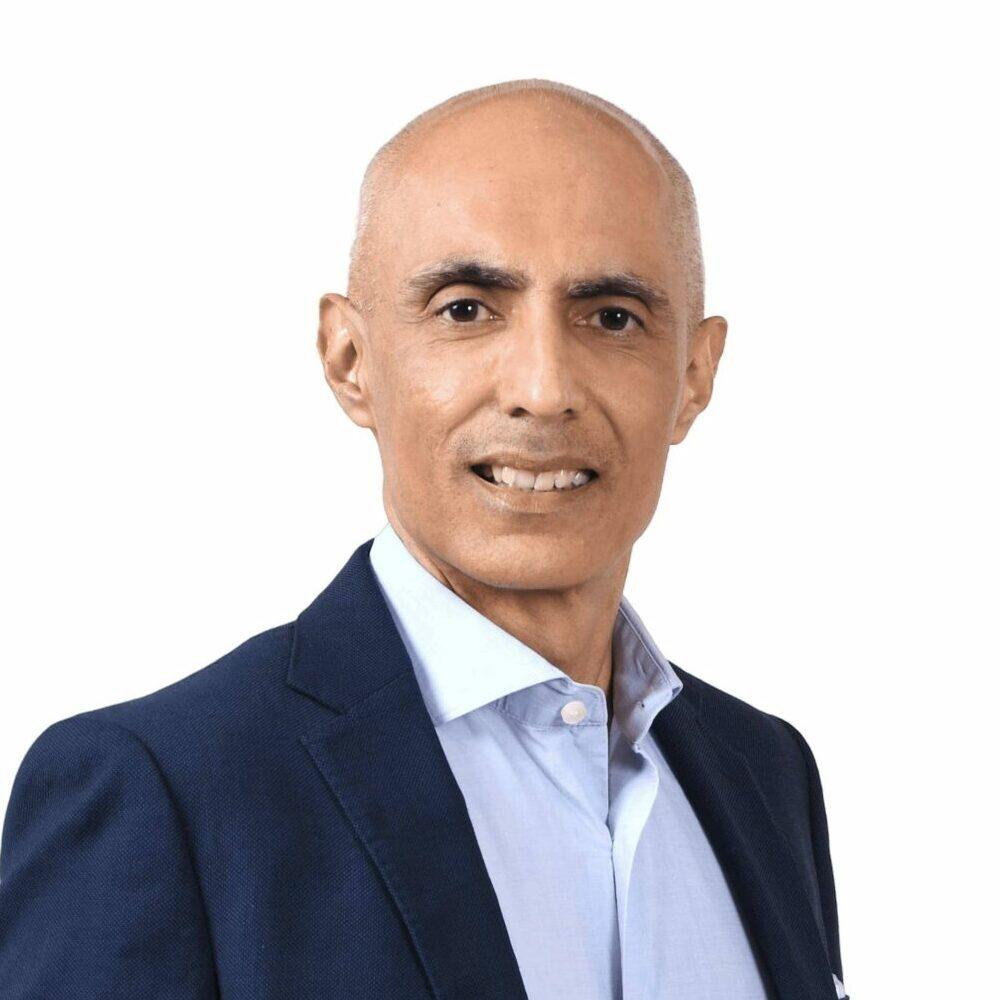
Dr Rawindar Singh Ranu A/L Harchand Singh
Kuala Lumpur & Puchong

Dr Jimmy Lim Ing Hong
Kuala Lumpur & Cheras
FREQUENTLY ASKED QUESTIONS
OasisEye Specialists offers five primary vision correction options depending on your prescription, corneal thickness, and lifestyle:
- SMILE® pro 2.0: A flapless, minimally invasive lenticule extraction procedure using the ZEISS VISUMAX 800 (laser time ~10 seconds).
- FemtoLASIK: A two-step precision procedure that creates a thin corneal flap before reshaping the underlying tissue.
- TransPRK: A single-step, no-flap, surface laser procedure ideal for active individuals or those with thinner corneas.
- Implantable Collamer Lens (ICL): An additive procedure inserting a phakic intraocular lens inside the eye, ideal for high myopia or thin corneas.
- PRESBYOND® 2.0: A laser vision correction procedure designed to treat age-related reading vision loss (presbyopia).
Elective refractive surgeries like FemtoLASIK, SMILE® pro 2.0, TransPRK, and ICL are generally classified as cosmetic or elective procedures and are not covered by standard medical insurance policies. However, if a procedure is deemed medically necessary due to extreme anisometropia (a severe difference in prescription between eyes) or specific medical conditions, partial coverage may apply. OasisEye staff can assist in reviewing your insurance terms.
You must stop wearing soft contact lenses for at least 5 days prior to your assessment (or up to 2–3 weeks for rigid/hard contact lenses). This allows your cornea to return to its natural shape for accurate diagnostic scanning. The comprehensive eye assessment takes approximately 2 to 3 hours.
- SMILE® pro 2.0: Flapless and minimally invasive. A femtosecond laser creates a tiny lenticule inside the intact cornea, which is removed through a 2–4 mm micro-incision. It causes less disruption to corneal nerves, preserving corneal stability and reducing post-operative dry eye.
- FemtoLASIK: Creates a thin corneal flap, folds it back, and uses an excimer laser to reshape the inner corneal bed before replacing the flap. It treats a broader prescription range (including hyperopia).
ICL surgery is an ideal option for patients who:
- Have extremely high myopia (short-sightedness) or severe astigmatism that exceeds safe laser limits.
- Have thin, irregular, or dry corneas unsuitable for tissue removal via LASIK or PRK.
- Prefer a reversible procedure where the natural lens and corneal structure remain intact.
PRESBYOND® 2.0 customizes laser profiles to create a extended depth of focus in each eye. By combining micro-monovision with tailored spherical aberration, it allows the brain to blend images from both eyes smoothly, restoring clear near, intermediate, and distance vision without reading glasses.
- SMILE® pro 2.0 & FemtoLASIK: Most patients achieve functional vision clarity and return to work or non-strenuous daily activities within 24 to 48 hours.
- TransPRK: Because the surface layer (epithelium) needs time to regenerate, visual recovery takes slightly longer—typically 3 to 7 days.
The structural reshaping of the cornea by laser surgery is permanent. However, your eyes can still undergo natural age-related changes over time (such as developing presbyopia in your 40s or cataracts later in life). Choosing an experienced refractive specialist and undergoing a rigorous pre-surgery assessment ensures long-term visual stability.