Reviewed by Dr Amir Samsudin, Consultant Ophthalmologist and Glaucoma Specialist at OasisEye Specialists | Last updated: October 2026
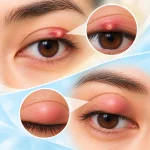
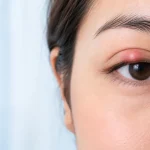
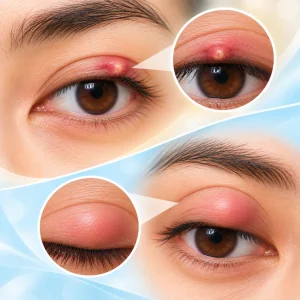
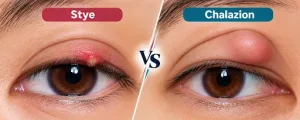
A stye (hordeolum) is an acute, painful bacterial infection of an eyelash follicle or eyelid oil gland, whereas a chalazion is a chronic, non-infectious, typically painless lump caused by a blocked oil gland in the eyelid.
Noticing a sudden, red bump on your eyelid or your child’s eyelid can be alarming, but these are among the most frequent reasons patients visit an eye clinic. Both styes and chalazia affect individuals of all ages—from young children to older adults—and while they appear visually similar in their early stages, their underlying causes and long-term management differ. Understanding these distinctions helps parents and patients seek the appropriate care before minor eyelid discomfort develops into more persistent inflammation or secondary infection.
Causes and Risk Factors
While both conditions affect the eyelids, a stye is caused by an active bacterial infection, whereas a chalazion is caused by a clogged oil gland.
| What Causes a Stye? | What Causes a Chalazion? |
|---|---|
|
|
Signs and Symptoms
What you or your child might notice at home:
- A visible red bump on the outer edge or inner surface of the eyelid.
- Tenderness, warm skin, or pain when touching the eye area.
- A scratchy feeling, as if something is over the eye.
- Crusty discharge along the eyelashes upon waking up.
What only a clinician can detect during an examination:
- Microscopic blockages within the individual meibomian gland orifices using a slit-lamp biomicroscope.
- Subtle corneal astigmatism caused by a large chalazion pressing against the clear front window of the eye.
- Deep-tissue infection extending past the orbital septum—differentiating preseptal from orbital cellulitis.
Note: If you notice spreading red facial skin, severe swelling that forces the eye shut, fever, or changes in your vision, seek immediate professional medical care.
Treatment Options
Conservative measures are always the first step, followed by targeted clinical procedures if a bump fails to resolve.
Summary of Differences and Care Pathways
| Feature | Stye (Hordeolum) | Chalazion |
|---|---|---|
| Primary Cause | Acute bacterial infection (Bacterial abscess) | Non-infectious clogged oil gland (oil buildup) |
| Pain Level | Painful, tender, and throbbing | Typically painless; feels like a smooth, firm lump |
| Location | Very edge of the eyelid along the lash line | Deeper inside the eyelid body |
| Appearance | Red bump with a yellow/white pus-filled head | Smooth, skin-colored or reddish firm nodule |
| First-Line Treatment | Warm compresses & gentle lid wipes (7–10 days) | Warm compresses & lid massage (2–8 weeks) |
| Medical Procedure | Antibiotic ointment or minor abscess drainage | In-clinic drainage (incision) or steroid injection |
Screening and Prevention
While no routine method guarantees complete immunity from eyelid lesions, maintaining daily lid margin health significantly lowers population-level incidence.
- Daily Lid Hygiene: Cleanse the base of the eyelashes daily using dedicated eyelid wipes or diluted baby shampoo to remove excess bacterial buildup.
- Proper Cosmetic Removal: Remove all eye makeup before sleeping to prevent physical blockage of the oil gland pores.
- Contact Lens Care: Wash hands thoroughly with soap and water prior to handling contact lenses, and adhere strictly to replacement schedules.
- Management of Underlying Skin Conditions: Patients with diagnosed rosacea, seborrheic dermatitis, or diabetes mellitus should manage their baseline conditions in consultation with their doctor, as systemic inflammation directly influences gland health.