
Reviewed by Dr Kala Sumugam, Consultant Ophthalmologist & Oculoplastic Surgeon of OasisEye Specialists | Last updated: November 2026
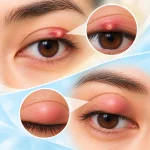
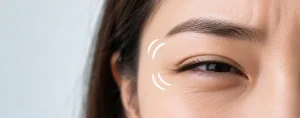
An eye twitch is a quick, gentle fluttering or trembling feeling in your eyelid muscle that is involuntary in nature. Almost everyone experiences a fluttering eyelid at some point—in fact, up to 70% of adults notice it at least once in their lives (Royal College of Ophthalmologists [RCOphth], 2023). While it can feel strange or annoying, most eye twitches are completely harmless and go away on their own. However, if the twitching lasts a long time or starts involving other parts of your face, it would definitely be helpful if you could visit an eye doctor to identify the underlying causes of the twitch. (American Academy of Ophthalmology [AAO], 2024).
Causes and Risk Factors
- Fatigue and Lack of Sleep: When your body does not get enough rest, stress hormones build up and cause hyperactivity of muscle fibres in the eyelids (AAO, 2024).
- High Caffeine or Alcohol Consumption: Drinks with lots of caffeine or alcohol stimulate your nerves and make the muscles around your eye overactive (RCOphth, 2023).
- Digital Eye Strain and Screen Fatigue: Staring at screens for prolonged periods reduces your natural blink rate by up to 50%, leading to muscle fatigue in the eyelids (Ministry of Health Malaysia [MOH], 2020).
- Dry Eye Syndrome: When your eyes do not have enough natural tears, the eyelid rubs against a dry surface, causing eye irritation, which further worsens the twitch (AAO, 2024).
- Uncorrected Vision Problems: Squinting or straining to read without the right glasses forces your eye muscles to overwork, leading to muscle fatigue, thus giving rise to eyelid twitching. (RCOphth, 2023).
- Stress and Anxiety: High psychological stress heightens nerve sensitivity surrounding the eyelid muscle (AAO, 2024).
Classification of Eyelid Twitches
Understanding the clinical category of an eye twitch helps determine whether it can be managed with simple lifestyle adjustments or requires targeted medical care.
| Types of Eye Twitching | What You May Notice | Should You Be Concerned? |
|---|---|---|
| Eyelid Myokymia (common eyelid twitch) | Light fluttering in one eyelid, usually upper or lower | Usually harmless. Often settles on its own within days to weeks. |
Essential Blepharospasm (BEB) | Both eyes repeatedly blink, squeeze or close involuntarily | Needs assessment if persistent or interfering with vision/daily activities. |
| Hemifacial Spasm | Twitching starts near one eye and spreads to the cheek or mouth on the same side | Seek medical evaluation. Facial involvement should be assessed by a specialist. |
Treatment Options
- Simple Rest and Daily Adjustments: Getting enough sleep, cutting back on coffee, and taking screen breaks help calm down twitching eyelid muscles.
- Soothing Artificial Tear Drops: Adding moisture back to dry eyes reduces irritation and stops reflex twitching.
- Relaxing Muscle Injections (Botulinum Toxin): Tiny medical injections placed gently around the eye help relax overactive muscles for conditions such as blepharospasm and hemifacial spasm.
- Targeted Nerve Surgery (Microvascular Decompression): A specialized procedure to cushion blood vessels that press against facial nerves in severe hemifacial spasm.
Screening and Prevention
Although eye twitching cannot always be prevented, most cases are linked to common factors such as eye strain, dry eyes, and tiredness. These triggers can often be managed through simple lifestyle changes, adequate rest, and proper eye care, helping to reduce the frequency of eyelid twitching.
Going for a routine eye check-up every 1 to 2 years can help detect changes in your vision and signs of dry eyes early, allowing timely care before these issues worsen. After all, prevention is always better than cure.