

Common Causes and When to Seek Care
Medically reviewed by Dr Kala Sumugam, MBBS (UM), MS Ophthal (UM), Oculoplastic (Singapore), CCFT, Consultant Ophthalmologist and Oculoplastic Surgeon, OasisEye Specialists
Last reviewed: November 2026
A fine, involuntary flutter in one eyelid is often caused by small contractions of the muscle that closes the eye. This is called eyelid myokymia. It usually affects the lower eyelid, although the upper eyelid can also twitch. Most isolated episodes settle without treatment. Reliable prevalence estimates are limited. Persistent twitching, forceful eyelid closure or movements spreading to other parts of the face need further assessment. [1,2]
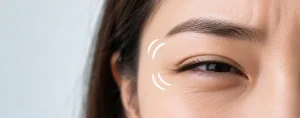
Common causes and triggers
- Fatigue and insufficient sleep: These are common triggers, although the exact biological mechanism is not fully understood. [2]
- Stress and anxiety: Emotional stress may make episodes more frequent or noticeable. [2]
- Caffeine and alcohol: Reducing excessive intake may help some people. [2]
- Screen use and eye strain: Extended screen time has been associated with persistent eyelid twitching in an observational study, but this does not establish causation. [3]
- Medication: Some medicines can contribute to involuntary movements. Ask your doctor to review your medication if symptoms begin after a new treatment; do not stop prescribed medicine on your own. [2]
Types of eyelid twitching
The pattern of movement helps distinguish a common eyelid twitch from conditions that may need specialist treatment.
| Condition | Typical pattern | What to do |
|---|---|---|
| Eyelid myokymia | Fine flutter in one eyelid, usually without complete closure. | Often settles on its own. Seek assessment if persistent. [2] |
Benign essential blepharospasm (BEB) | Repeated involuntary blinking or forceful closure, typically affecting both eyes. A neurological movement disorder (dystonia). [4] | Arrange specialist assessment. |
| Hemifacial spasm (HFS) | Involuntary contractions on one side of the face, often starting near the eye and spreading to other facial muscles. [5] | Arrange specialist assessment; brain imaging may be needed. [6] |
When should you seek medical care?
Arrange an eye examination if twitching lasts more than a few weeks, spreads beyond the eyelid, causes complete eyelid closure with each twitch, makes the eye difficult to open, or is accompanied by drooping, redness or swelling of the eyelid. [2] Sudden weakness requires emergency assessment as described below.
Seek emergency care immediately for sudden facial drooping, limb weakness, difficulty speaking, sudden vision changes or loss of balance. These may be warning signs of stroke. [7] A sudden, unusually severe headache also requires emergency assessment. [8] In Malaysia, call 999. [9] Emergency assessment is still necessary if stroke-like symptoms disappear. [10]
How is eyelid twitching assessed?
Your eye specialist will ask about the timing and distribution of the movements, sleep, caffeine intake, medication and other symptoms. Examination may include the eyelids, eye surface, vision and facial movements. Routine brain imaging is generally unnecessary for typical isolated myokymia. If the pattern suggests hemifacial spasm or another neurological disorder, further assessment and magnetic resonance imaging (MRI) may be recommended. [2,6]
Treatment options
Rest and daily adjustments
For a typical isolated twitch, prioritise adequate sleep and reduce excessive caffeine and alcohol. Most episodes settle naturally. [1,2] Screen breaks are often suggested, but the observational study did not test whether they reduce twitching. [3]
Lubricating eye drops
Artificial tears may relieve accompanying dry-eye symptoms. [11] They are not an established treatment for eyelid myokymia itself. Persistent irritation warrants an eye examination.
Botulinum toxin injections
A specialist may inject botulinum toxin into selected muscles to temporarily reduce involuntary contractions in blepharospasm or hemifacial spasm. Repeat treatments are often needed. [6,12] Possible effects include temporary eyelid drooping or facial weakness [6,12] and dry eye. [12] This is not routine treatment for a brief, isolated eyelid twitch. [2]
Microvascular decompression
For selected patients with hemifacial spasm caused by blood vessel compression of the facial nerve, a neurosurgeon may consider an operation to separate the vessel from the nerve. It can provide lasting relief but carries risks, including hearing loss and facial weakness. [6,13]
Prevention and eye checks
Not every episode can be prevented. Regular sleep, stress management and moderating caffeine may help. [2] Whether screen breaks reduce twitching remains uncertain. [3] Treat dry eye if present. [11] Routine eye examination intervals depend on age, symptoms and individual risk factors. Regular examinations are not established as a way to prevent eyelid myokymia.